
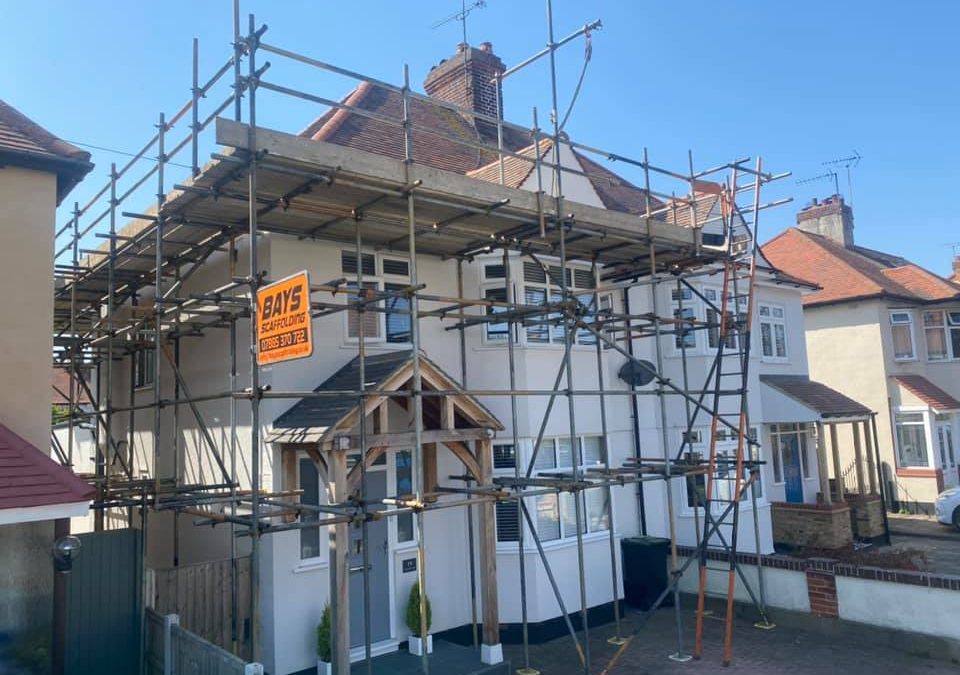
Scaffolding keeps people safe at height, yet it only works when teams inspect it properly. Many site managers still underestimate this responsibility. As a result, accidents, delays, and fines continue across construction sites. If you use scaffolding in Southend-on-Sea, you need clear answers. You need to know how often inspections happen, who carries them out, and what the law expects.
This guide explains scaffolding inspections in plain terms. It focuses on frequency, record-keeping, and legal duties. More importantly, it helps you manage risk confidently. Whether you run a small project or a busy site, inspections protect workers and keep work moving.
What Counts as a Scaffolding Inspection Under UK Law?
UK law treats scaffold inspections as a formal safety process. A competent person must complete each inspection. That person needs practical knowledge, training, and experience.
Inspectors check more than surface issues. They assess structural stability, access safety, and load capacity. Visual checks alone never count. The inspection must follow recognised standards and site conditions.
How Often Must Scaffolding Inspections Take Place?
Inspection timing remains one of the most searched topics online. The rules stay clear and strict. Scaffold inspections must follow a fixed schedule. However, site changes can trigger extra checks.
- Inspect scaffolding before first use.
- Inspect scaffolding every seven days.
- Inspect scaffolding after severe weather.
- Inspect scaffolding after alterations or impact
What Inspectors Look for During a Scaffold Check?
Inspectors follow a systematic process. They focus on safety-critical components first. This approach prevents collapse and falls.
The key inspection areas are:
- Ground conditions, base plates, and sole boards
- Guardrails, midrails, and toe boards
- Ties, bracing, and joint security
- Platforms, access ladders, and edge protection
Scaffolding Inspection Records: What You Must Document?
Inspection records matter as much as inspections themselves. Records prove compliance during audits or incidents. Every inspection record should include the following:
- Date, time, and exact scaffold location
- Inspector name and competence details
- Identified risks and corrective actions
- Confirmation that the scaffold remains safe
Legal Duties and Responsibility: Who Remains Accountable?
Legal responsibility often confuses. However, UK law sets clear expectations. Duty holders include contractors, site managers, and employers. Scaffold providers also share responsibility when erecting or modifying structures. Each party must ensure safe use and compliance with inspection requirements.
Failure to meet duties can lead to enforcement action. Regulators issue improvement notices, fines, or prosecution. Regular inspections reduce these risks, especially on projects using scaffolding in Southend-on-Sea, where coastal weather adds challenges.
Common Inspection Failures That Trigger Enforcement Action
Many enforcement cases follow the same patterns. Understanding these mistakes helps you avoid them. Common failures include:
- Missed seven-day inspections
- Incomplete or missing inspection records
- Unauthorised scaffold alterations
- Poor response after high winds or storms
Scaffolding inspections support safety, efficiency, and legal compliance. They reduce accidents and strengthen site management. This proves especially vital when working with scaffolding in Southend-on-Sea, where conditions can change quickly. If you want expert support, Bays Scaffolding offers trusted guidance and reliable solutions. Contact us now.