
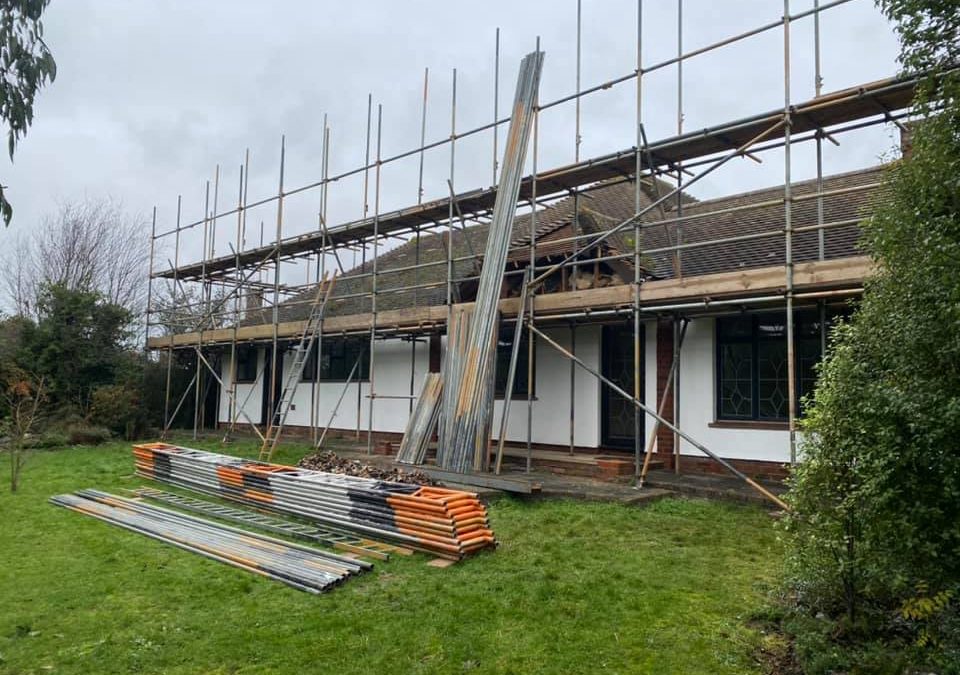
Falls remain one of the biggest dangers on UK construction sites. Even a short drop can cause serious injury. That risk increases when teams rush access planning or ignore safety systems.
This is where professional scaffolders step in and change outcomes. Experienced scaffolders in Essex play a crucial role in keeping workers safe, confident, and productive across all types of projects.
When scaffolders plan correctly, sites run more smoothly and safely. They do not just provide access. They create structured working environments. Every rail, platform, and fixing supports safety from day one.
Understanding how scaffolders reduce fall risks helps site managers make better decisions.
Site-Specific Risk Assessments Before Installation
Scaffold safety starts long before erection begins. Skilled scaffolders review each site in detail. They assess ground conditions, surrounding structures, and daily site activity. This planning phase removes hidden risks early.
A proper assessment considers the following aspects:
- Uneven ground and load-bearing capacity
- Vehicle movement near scaffold bases
- Nearby power lines and public walkways
- Exposure to wind and changing weather
By addressing these factors early, scaffolders prevent instability and access issues later.
Scaffold Design That Actively Prevents Falls
Strong design choices reduce accidents more than any warning sign. Scaffolders design systems around real working conditions. They focus on movement, balance, and visibility at height.
Well-designed scaffolding includes:
- Full guardrails on every working lift
- Toe boards that prevent tools from slipping
- Platforms wide enough for safe movement
- Staircases or secured ladder access points
When scaffolders apply these features correctly, workers can move with confidence.
Safe Erection and Dismantling Practices
Erection and dismantling carry the highest risk. Scaffolders manage these stages with strict control. They follow clear sequences and avoid shortcuts.
Professional teams do the following:
- Build from stable bases upward
- Secure each lift before moving higher
- Use collective fall protection during erection
- Maintain balance across the structure
These methods reduce exposure to unprotected edges.
Routine Inspections and On-Site Adjustments
Safety does not stop after installation. Scaffolders carry out regular inspections throughout the project. They check fittings, platforms, and access points. The weather often triggers extra checks.
Inspections primarily focus on:
- Loose components after high winds
- Movement caused by heavy site traffic
- Damage from materials or equipment
- Changes in load requirements
Many contractors trust scaffolders in Essex because they respond quickly. They fix small issues before they become hazards.
Clear Communication With Site Teams
Even the safest scaffold needs correct use. Scaffolders support safety through clear guidance. They explain access points, load limits, and restricted areas.
Effective communication includes:
- Clear signage on scaffold structures
- Verbal briefings for site supervisors
- Coordination with other trades
- Immediate advice when site conditions change
Scaffolding works as a safety system, not just access equipment. Contractors who work with scaffolders benefit from safer sites and smoother workflows. Projects stay compliant and organised. Workers feel supported at height. For projects that demand safety and reliability, working with trusted scaffolders in Essex makes a measurable difference. If you need expert guidance and dependable scaffolding solutions, Bays Scaffolding Ltd offers experienced teams who prioritise safety from start to finish. Contact us now.