
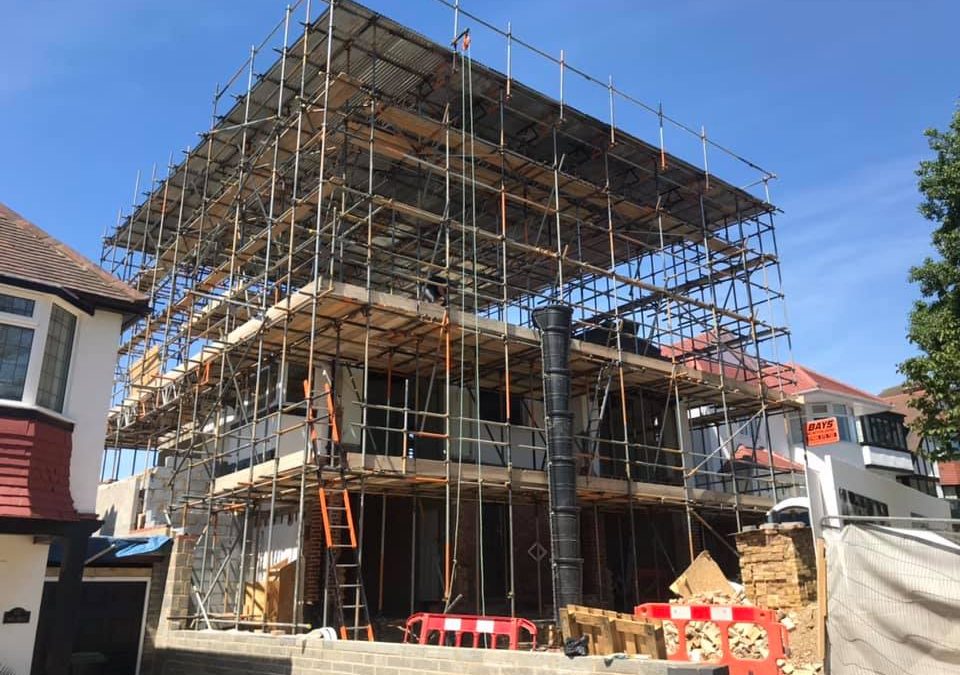
Restoring heritage buildings is one of the most daunting and rewarding tasks ever. Their architectural beauty holds the history, and the intricate works highlight the efficiency of the previous artisans. However, due to the age and unique features of these buildings, scaffolders in Essex face unique challenges in assessing scaffolding. Understanding these challenges and how professionals address them ensures safe, efficient, and respectful restoration work.
Common Challenges of Scaffolding Heritage Buildings and Ways Professionals Handle Them
Unique Structures of the Building
Heritage buildings are not like modern structures. They come with irregular façades, intricate carvings, and fragile materials. Most of the time, these structures can’t support conventional scaffolding methods. A forced installation of scaffolding can damage masonry, plasterwork, or decorative elements.
How Professionals Handle This Issue:
Seasoned scaffolders in Essex start by closely assessing the materials and condition of the heritage building. They evaluate the load-bearing capacity and strength of walls and, based on that, use custom-engineered, non-invasive scaffolding systems. This tailored scaffolding does not impose any vertical weight on the building structure while offering temporary weather protection and protective padding for safe work.
Bearing Loads on Weak or Uneven Ground
Heritage buildings often stand on ground that has shifted over time, or in crowded areas with no space for load distribution. However, an accurate load distribution is mandatory for safe operation. It helps to prevent accidents or structural pressure.
How Professionals Handle This Issue:
Fragile ground requires accurate load calculations rather than assumptions. Hence, skilled and experienced scaffolders of Essex calculate loads precisely. Based on the results, they craft a custom strategy. Commonly, they use base plates, sole boards, and spreading techniques to evenly distribute pressure. On the most uneven or unstable ground, they create a platform and set the scaffolding on it to prevent additional pressure on the surface while ensuring the safety of the workers.
Working in Crowded, Busy Surroundings
There are many heritage buildings situated in the busy areas. These areas are filled with pedestrians, traffic, shops, and other structures. Ensuring public safety while establishing scaffolding can be daunting, and a minor mistake can be life-threatening.
How Professionals Handle This Issue:
Seasoned scaffolders in Essex never compromise on public safety. To that end, they use protective fans, debris netting, and covered walkways. These elements help shield pedestrians from flying materials and dust particles. Additionally, they analyse alternative ways for traffic and pedestrians to minimise hassle in daily life, maximising work convenience and ensuring safety.
A Demanding Climate
The UK is known for its unpredictable weather, and some areas face long, intense summers, heavy monsoon rains, and high humidity. All these weather events pose significant risks to scaffolding work.
How Professionals Handle This Issue:
Experienced scaffolders never start a project without analysing the local weather. Based on the location’s demands, they include corrosion-resistant fittings, secure weatherproof sheeting, and robust bracing. These elements help hold the scaffolding strong on the ground despite heavy rain and wind.
Restoring a heritage building is tough work, and strong scaffolding plays a long hand in this project. If you are planning to restore a heritage structure, hire only experienced professionals like Bays Scaffolding. With years of experience and expertise, Bays Scaffolding provides a tailored service and guarantees safe work.